


Cost per Wear Calculator for Luxury Suits: A Practical Guide to Italian Craftsmanship, Materials, and Value
If you think in ROI, cost per wear (CPW) is the clearest way to justify a handcrafted suit. For Italian houses like Kiton, the right fabric and make can deliver a decade-plus of use with minimal degradation—driving CPW well below many mid-tier or fast-fashion options. This guide gives you a working CPW calculator you can use today, a transparent methodology, realistic scenarios, and a curated set of relevant Kiton suits so you can align quality, budget, and long‑term value.
Key takeaways / Summary
- CPW formula: (Purchase price + maintenance over lifespan − resale value) ÷ total wears, then adjust for versatility.
- Longevity matters: Handcrafted Italian suits (e.g., Kiton) often last 10–15 years with proper care; fast-fashion suits commonly last 1–2 years in rotation.
- Realistic ranges: A $6,500 Kiton worn 2x/week for 10 years ≈ $6.50 per wear before upkeep/resale; with light maintenance and potential resale, effective CPW often lands near $5–7. Fast‑fashion can appear cheaper upfront but typically yields fewer high‑quality wears and higher upkeep—effective CPW often ends up in the $8–15 range.
- What to look for: Hand‑set shoulders, canvassing, high‑grade wools/cashmere/linen blends, precise alterations, and consistent aftercare.
- Materials drive outcomes: Virgin wool, cashmere, and refined blends (e.g., cashmere/silk/linen) hold shape and drape longer, lowering CPW.
- Versatility multiplier: One well‑chosen suit can cover multiple contexts and seasons; more outfit combinations lower effective CPW.
- Maintenance and storage: Dry‑clean sparingly, steam/brush between wears, and store properly. See winter storage guidance and fine‑fiber care.
- Decision framework: Buy fewer, better suits; prioritize fabric integrity and make; plan alterations at purchase; model CPW before you buy.


Interactive Cost-Per-Wear (CPW) Calculator
Run your numbers before you buy. Use the single‑suit calculator or compare two suits side‑by‑side (e.g., a handcrafted Italian suit vs. a lower‑cost option). Adjust the assumptions—lifespan, cleaning cadence, alterations, resale—to reflect your reality.
Single Suit CPW
Compare Two Suits (Luxury vs. Fast-Fashion)
Methodology: How We Calculate Cost Per Wear
Cost per wear turns a large upfront spend into a per‑use cost that reflects how the suit will actually perform in your life. The equation used in the calculator above:
CPW = (Purchase price + total maintenance − resale value) ÷ total wears, adjusted by a versatility multiplier.
- Purchase price: Your upfront investment.
- Total wears: Wears per week × weeks per year × years of expected lifespan.
- Maintenance: Cleaning (ideally light steaming and pressing between wears) plus occasional repairs (buttons, re‑stitching) and one‑time alterations.
- Resale value: Well‑maintained luxury tailoring can retain value; fast‑fashion often has negligible resale.
- Versatility multiplier: Highly versatile suits reduce effective CPW because they cover more contexts (boardroom, travel, events) and pair with a wider range of shirts, ties, and shoes.
Why craftsmanship matters: Full or half canvassing, hand‑set sleeves, balanced chest/shoulder architecture, and premium fibers—virgin wool, cashmere, refined blends—preserve the drape and recovery of a suit. Italian houses like Kiton emphasize this precision. For deeper fabric insight, see Choosing the Right Fabric for Suits: The Kiton Way.
Real case studies: CPW that makes sense
- $6,500 Kiton worn 2x/week for 10 years: approximately $6.50 per wear before upkeep/resale. With light maintenance and end‑of‑life resale, many owners land near $5–7.
- $500 fast‑fashion suit worn 2x/week for 18 months: approximately $3.33 per wear before upkeep. In practice, fewer “crisp” wears, more frequent pressing, and earlier replacement often push effective CPW into the $8–15 range.
These scenarios show how longevity, structural integrity, and fabric quality reverse the assumption that “cheaper is cheaper.” When a garment lasts and stays sharp, your effective cost drops. To model your own assumptions (cleaning, alterations, resale, versatility), use the comparison calculator above and click “Load Case Study Numbers,” then adjust the fields to your reality.
How to buy for the lowest long-term CPW
Start with build and fabric. Luxury tailoring should feel balanced in the shoulder and chest, with a clean lapel roll and a silhouette that neither collapses nor restricts movement. Virgin wool and wool/cashmere blends excel as year‑round workhorses; seasonal blends like cashmere/silk/linen deliver exquisite texture and drape for special occasions and milder climates. Dial fit with precise alterations early and keep maintenance light and regular. For proper storage and care, review winter garment storage tips and vicuña care fundamentals.
Curated Kiton suit selection (Italian craftsmanship, quality materials)
The selections below mirror the materials and styles referenced on Mr Porkamo’s site. Click through for full context and editorial coverage. All images are product photography; links take you to the article where each suit is featured.

Kiton Blue Virgin Wool 2-Button Suit
—
Brand: Kiton
Material: Virgin wool
- Color: Blue
- 2‑button style
- Use case: dependable year‑round business wear
- Versatility: pairs cleanly with white/blue shirts and muted ties

Kiton Gray Cashmere Silk Linen Suit
—
Brand: Kiton
Material: Cashmere, silk, linen blend
- Color: Gray
- Italian tailoring blend
- Texture: refined hand with subtle visual depth
- Occasion: elevated office days and special events
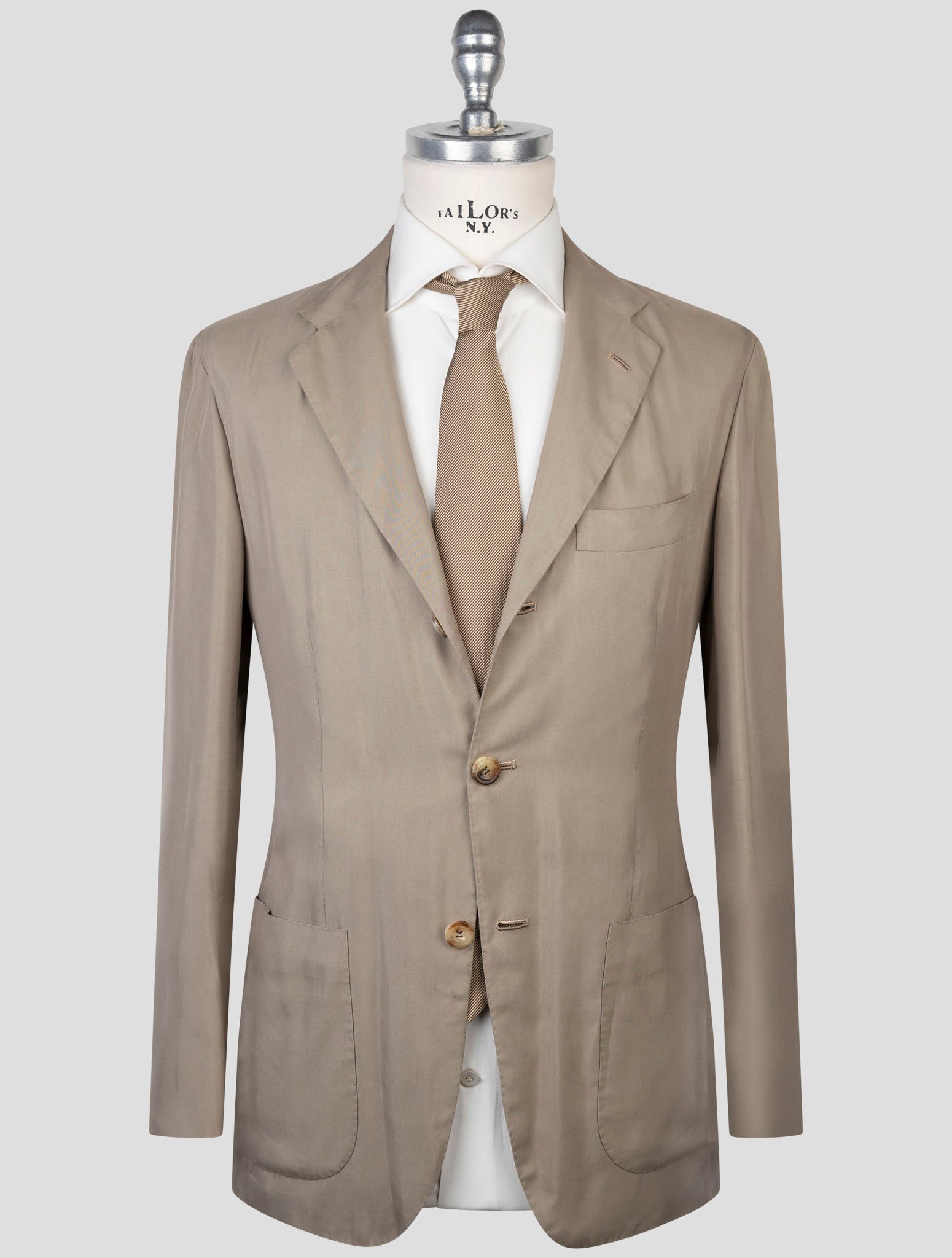
Kiton Taupe Lyocell Viscose Silk Suit
—
Brand: Kiton
Material: Lyocell, viscose, silk blend
- Color: Taupe
- Soft hand and fluid drape
- Comfort: relaxed elegance with natural movement
- Season: ideal for temperate climates and travel

Kiton Blue Cashmere Virgin Wool Silk Linen Suit
—
Brand: Kiton
Material: Cashmere, virgin wool, silk, linen
- Color: Blue
- Refined multi‑fiber blend
- Character: luxurious hand with resilient architecture
- Role: standout option for major meetings and occasions

Kiton Blue Cashmere Silk Linen Double-Breasted Suit
—
Brand: Kiton
Material: Cashmere, silk, linen
- Color: Blue
- Double‑breasted style
- Presence: assertive silhouette with elegant roll
- Best for: ceremonies, evening events, and key presentations

Kiton Light Blue Cotton Short Pants Suit
—
Brand: Kiton
Material: Cotton
- Color: Light Blue
- Short pants suit
- Climate: warm‑weather and resort environments
- Style note: relaxed tailoring with precise lines

Kiton Green Linen Suit
—
Brand: Kiton
Material: Linen
- Color: Green
- Breathable natural fiber
- Benefit: cool wearing with elegant texture
- Setting: daytime events, summer offices, travel

Kiton Beige Linen Short Pants Suit
—
Brand: Kiton
Material: Linen
- Color: Beige
- Short pants suit
- Vibe: modern, airy, and effortless
- Ideal for: coastal travel and outdoor occasions
Why these materials lower CPW
The fibers above—virgin wool, cashmere, silk, linen, and advanced blends—aren’t just about feel. They resist bagging and shine, recover well after travel, and hold their architecture. For instance, a cashmere/silk/linen blend provides a luxurious hand and elegant texture, ideal for special occasions with high visual impact and lower cleaning frequency. Pure or virgin wool is a year‑round workhorse in many climates, delivering frequent wears without fatigue—key to driving CPW down over time. For fabric selection frameworks, see The Kiton Way.
Fit and alterations: capture the full lifespan
Even a world‑class suit underperforms if fit is ignored. Assume a one‑time alteration cost when you model CPW. Shortening sleeves, tapering trousers, or dialing waist suppression early preserves shape and reduces stress on seams. The result is a better drape that looks sharp for years. Plan alterations at purchase, then avoid frequent major changes. If you want examples of fit decisions in context, review Kiton’s approach to event‑ready tailoring.
Care and storage: protect the drape
Keep cleaning gentle: brush and steam after wear; rotate at least 24–48 hours between wears; use shaped hangers; store in breathable garment bags. For seasonal storage and fine‑fiber care, consult these practical guides:
- Winter Garment Storage Tips 2025: Protecting Luxury Suits, Cashmere, and Wool
- How to Care for Vicuña Clothing
The investment framework: evaluate any luxury suit purchase
- Define the role: daily workhorse or special‑occasion piece? This shapes wears/week and versatility.
- Assess make: canvassing, handwork in shoulder and sleeves, lapel roll, chest structure, lining quality.
- Select fabric intentionally: virgin wool for frequency; cashmere/silk/linen for elegance and seasonality.
- Model CPW before buying: use the calculator with your assumptions. Include alterations and realistic cleaning cadence.
- Think in total ownership: plan storage, rotation, and aftercare to preserve drape and resale potential.
For a broader wardrobe ROI perspective beyond suits, see the Executive Wardrobe ROI Calculator.
Versatility multiplier: one suit, many outcomes
A high‑craft suit can function across presentations, board meetings, travel, and formal dinners with minor adjustments in shirts, ties, and shoes. This flexibility effectively multiplies your usable looks and reduces CPW. Use the “versatility” input when modeling to reflect how often the garment moves across contexts without feeling repetitive; more adaptability = lower effective CPW.
Italian craftsmanship in practice
Italian houses emphasize balance: the way the jacket meets the shoulder, the roll of the lapel, and how the collar hugs the neck. These subtle markers translate to a clean line that stays clean. That’s the CPW story behind luxury tailoring—construction that fights gravity and time so you get more wears that still look exceptional. Explore editorial coverage and fabric insights in the guide to handmade Italian suits and The Kiton Way.
Benchmark your next purchase
Before checkout, run your numbers: expected wears, lifespan, alterations, maintenance, and whether a more versatile cut or fabric justifies a slight premium. For many executives, the result mirrors the scenarios above: a higher upfront investment in a handcrafted Italian suit yields a lower CPW and a consistently better appearance over time.


Next steps
- Use the calculator above with your realistic wear schedule and care habits.
- Review editorial picks and fabric notes: Handmade Italian Suits Guide, Kiton’s Finest, Fabric Selection.
- Plan alterations and storage at purchase; revisit care twice per year to preserve drape and value.